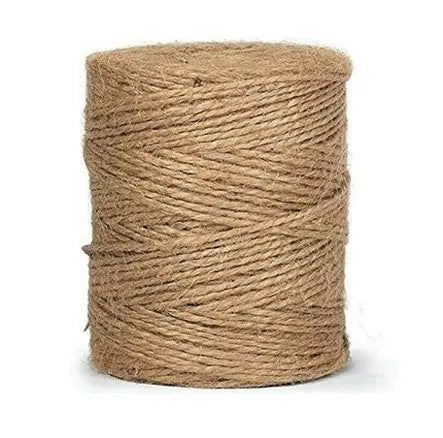
Natural jute rope has made a comeback - not just for its rustic looks, but because it is strong, affordable and fully biodegradable, unlike the plastic cord it so often replaces. If you are choosing between thicknesses or wondering whether rope or twine is the right call, this guide covers the differences and the jobs each one does best.
Why choose jute over synthetic rope?
Jute rope is spun from natural plant fibre, so it is compostable at the end of its life and leaves no microplastics behind. It grips and knots well, has a warm natural colour that suits gardens, décor and events, and costs less than many synthetic alternatives. The trade-off is that, like all natural fibre, it is best kept out of permanent wet conditions - for dry and general outdoor use it is hard to beat.
Featured in this article
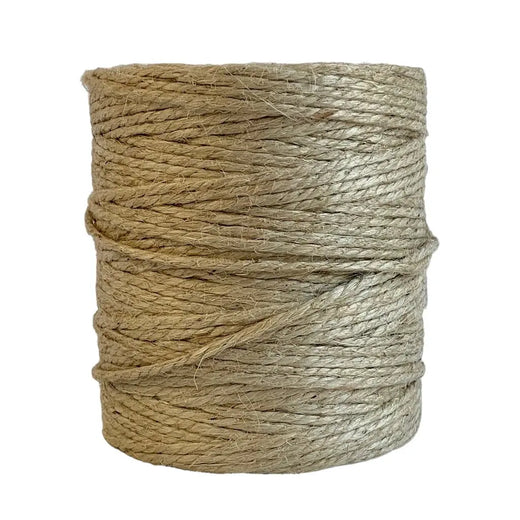
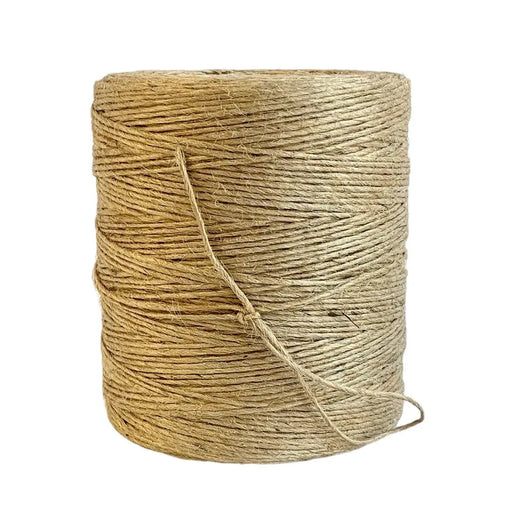
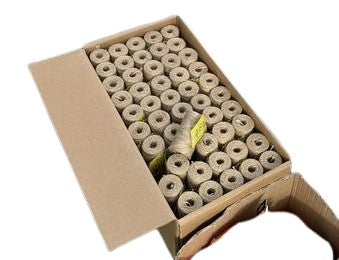
Jute Twine 2mm 100m L, 100g - 100 Spools a Carton
Introducing our Natural Jute Twine, a versatile, eco-friendly, and strong material perfect for various uses. Crafted from sustainable jute plant fibers, it's biodegradable and won't harm the...
From $180.00 AUD
6mm vs 10mm: which thickness?
| Rope | Thickness | Best for |
|
Jute twine (2-ply) |
Thin | Tying plants, bundling, gift wrap, craft, light garden work |
|
Jute rope 6mm |
Medium | Garden use, plant support, décor, climbing netting, general tying |
|
Jute rope 10mm |
Thick / 3-ply | Heavier loads, strong garden and farm jobs, décor needing presence, reusable hauling |
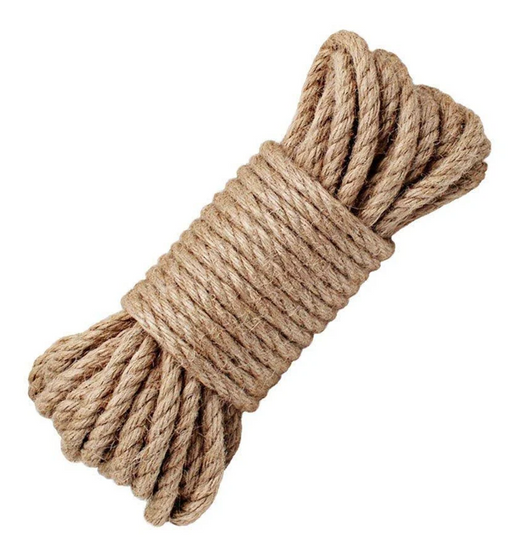
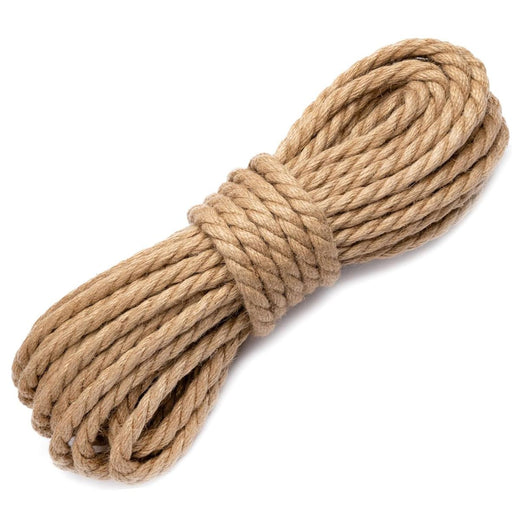
The simple version: twine for tying and craft, 6mm for everyday garden and general-purpose jobs, and 10mm when you need extra strength or a chunkier look. Axon’s rope comes in 20m coils, and pre-cut jute twine tie-strings come in bundles for anyone doing a lot of repetitive tying.
Common uses
-
Garden and farm: tying in climbers, staking, plant support, bundling prunings, netting.
-
Home and décor: macramé, wall hangings, shelf brackets, rustic styling.
-
Events and packaging: gift wrap, hampers, wedding and celebration styling, hang tags.
-
Craft and upholstery: weaving, edging, traditional seat webbing.
Jute twine vs jute rope
They are the same fibre at different scales. Twine is thin and made for tying, bundling and craft, and pre-cut tie-strings save time when you are doing the same job hundreds of times - think plant ties or product tags. Rope is thicker and made to take load or stand out visually. If you are supporting a plant or wrapping a gift, twine is enough; if you are hauling, hanging or want the rope to be a feature, step up to 6mm or 10mm.
Getting the most from natural rope
-
Keep it dry when not in use to prevent rot and mildew.
-
For load-bearing jobs, choose 10mm and check the knot - natural fibre holds knots well.
-
Seal cut ends with a simple whipping or a dab of natural glue to stop fraying.
Compare 6mm and 10mm coils and pre-cut twine, and check current pricing, on the Axon store.
Frequently asked questions
Is jute rope strong enough for heavy loads?
For most garden, farm and décor jobs, yes - step up to 10mm (3-ply) for heavier loads. For critical lifting or safety-critical loads, use a rope rated and certified for that purpose.
Is natural jute rope biodegradable?
Yes. It is made from natural plant fibre, so it is fully biodegradable and compostable, with no plastic content.
What is the difference between jute twine and jute rope?
Thickness and purpose. Twine is thin, for tying, bundling and craft; rope (6mm or 10mm) is thicker, for load-bearing and decorative use.
Can jute rope be used outdoors?
Yes, for general outdoor and garden use. Keep it out of constant standing water or permanently wet conditions to get the longest life from it.
Featured in this article