
LANDSCAPING
-
Vendor:Axon Corporation Pty Ltd
AXON Jute Matting Pre-Slitted – 750gsm, 6 Slits/Sqm | Heavy Duty Natural Erosion Control & Tree Planting Mat _ Call Us for Freight Rate before Order
Regular price From $180.00 AUDRegular priceUnit price per -
Vendor:Axon Corporation Pty Ltd
Jute Soil Saver Mesh (Geotextile) 1.22m W x 68m L 500gsm Roll - Please Contact Us for Oversize Shipping Rate
Regular price From $180.00 AUDRegular priceUnit price per -
Vendor:Axon Corporation Pty Ltd
Jute Mat Squares Weed Control Felt with 4 Slits 37cm x 37cm - 50 in a Pack
Regular price From $47.00 AUDRegular priceUnit price per -
Vendor:Axon Corporation Pty Ltd
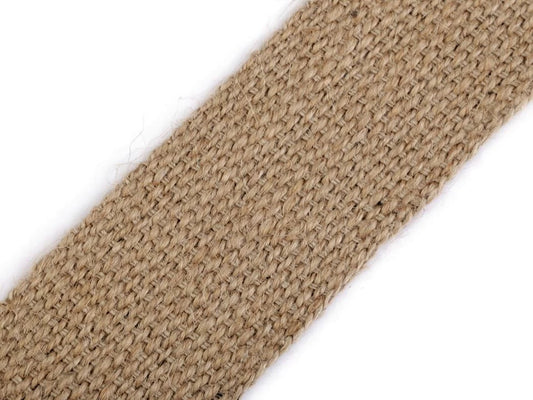
Heavy Duty Jute Webbing for Plant & Tree Ties & Support - 33m L x 50mm W
Regular price From $14.00 AUDRegular priceUnit price per -
Vendor:Axon Corporation Pty Ltd
Hessian Sandbags with Drawstring 84cm L x 36cm W 305gsm - Heavy Duty
Regular price From $50.00 AUDRegular priceUnit price per -
Vendor:Axon Corporation Pty Ltd
500 Hessian Sandbags with Drawsting Bulk Bale - 84cm x 36cm -Tight Weave Heavy Duty
Regular price $800.00 AUDRegular priceUnit price per -
Vendor:Axon Corporation Pty Ltd
Jute Soil Saver Mesh (Geotextiles) 1.22m W x 30m L 500gsm Roll - Landscaping - Please Call Us for Shipping Rate Before Order
Regular price $99.00 AUDRegular priceUnit price per


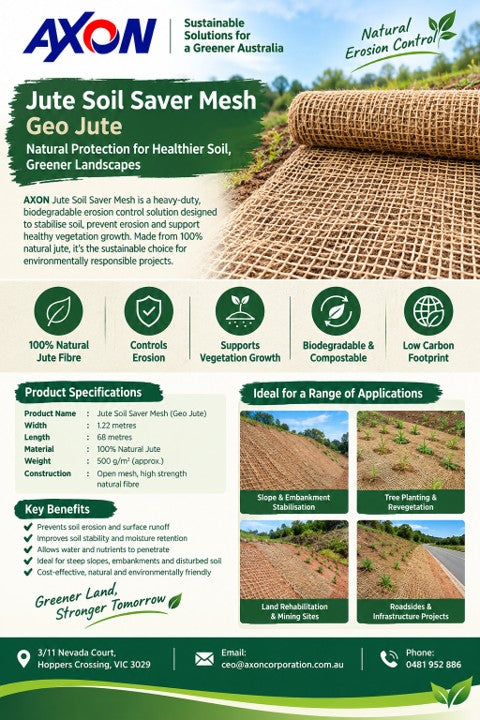




Jute matting and jute mesh are biodegradable erosion control products made from natural jute fibre. They protect bare soil from wind and rain, suppress weeds, and hold ground in place while plants establish, then break down into the soil. Axon supplies 750gsm jute matting, 500gsm soil saver mesh, weed mat squares, jute tree ties and hessian sandbags, delivered Australia-wide.
Jute matting or jute mesh?
Jute matting is a dense felt that covers the ground completely. It blocks light to stop weeds and protects soil from rain splash, so it's the choice for planting sites and weed-prone ground. Jute soil saver mesh is an open weave. It holds soil, seed and mulch on slopes while letting rain and plants through, so it suits batters, embankments, dunes and seeded areas.
How to use jute mesh for erosion control
Prepare and seed the soil first, then roll the mesh down the slope from the top, overlapping each roll by about 10–15cm. Pin it every metre or so with ground staples so it stays in firm contact with the soil gaps underneath let water run beneath it. Plants grow up through the weave, and the jute breaks down as they take hold.
Why jute instead of synthetic or plastic weed mat
Synthetic geofabric and plastic weed mat last for years but stay in the ground long after the job is done, and can shed plastic as they degrade. Jute covers the critical establishment period, then decomposes and adds organic matter to the soil. There's nothing to pull up later, which suits revegetation, council and Landcare projects with plastic-free requirements.
FAQ
What is jute matting used for?
Erosion control on slopes and bare soil, weed suppression, and revegetation planting. Pre-slitted jute matting lets you plant seedlings straight through it.
How long does jute matting last?
Typically one to two years, depending on climate, rainfall and soil contact. That's long enough for most plantings to establish, after which it breaks down into the soil.
How much does jute matting cost?
It depends on weight and roll size. At Axon, 750gsm pre-slitted jute matting starts from around A$180, soil saver mesh rolls from around A$99, and jute weed mat squares are around A$47 for a pack of 50. Bulk quantities reduce the per-roll price.
What's the difference between jute and coir matting?
Both are natural and biodegradable. Jute is softer and more flexible, so it sits closely against the soil and suits most slopes and planting sites. Coir, made from coconut fibre, is coarser and breaks down more slowly, so it's used on very steep or high-flow sites that need longer-term protection.
Is weed mat biodegradable?
Plastic and synthetic weed mats aren't. Jute weed mat is fully biodegradable - it suppresses weeds while plants establish, then decomposes into the soil.
What is the best material for erosion control?
For most revegetation and landscaping work, biodegradable jute matting or mesh is a strong choice: it protects soil immediately and leaves nothing behind. Very steep or high-velocity water sites may need heavier coir or engineered products.